



ERPNext TOC Module | Drum-Buffer-Rope Production Planning
Optimise your production flow with native DBR scheduling. Identify bottlenecks in real-time, manage buffers visually, and increase throughput by 25% using TOC-driven production plans.
About This Custom App
The ERPNext TOC Module (Theory of Constraints) is an advanced production planning solution that brings the Drum-Buffer-Rope (DBR) scheduling algorithm directly into ERPNext. It helps manufacturers identify production bottlenecks, optimize throughput, and improve efficiency, without additional investment in machines or manpower. Built natively on ERPNext, this module automates constraint identification, buffer management, and synchronized production scheduling, eliminating the need for spreadsheets and manual calculations. With real-time insights and TOC-driven planning, businesses can achieve higher output, reduced WIP inventory, and better resource utilization.
Measurable Outcomes
Increase manufacturing throughput by up to 25% without additional investment
Enable real-time constraint identification in ERPNext production planning
Reduce work-in-process (WIP) inventory by up to 35%
Deploy TOC-based production scheduling in as little as 45 days
Why businesses choose it
Only ERPNext TOC module with native DBR scheduling implementation
Improves production output without increasing operational costs
Eliminates manual TOC calculations and spreadsheet dependency
Works alongside Lean and Six Sigma for continuous improvement
Key Features
Automated constraint (bottleneck) identification in real time
Drum-Buffer-Rope (DBR) scheduling for optimized production flow
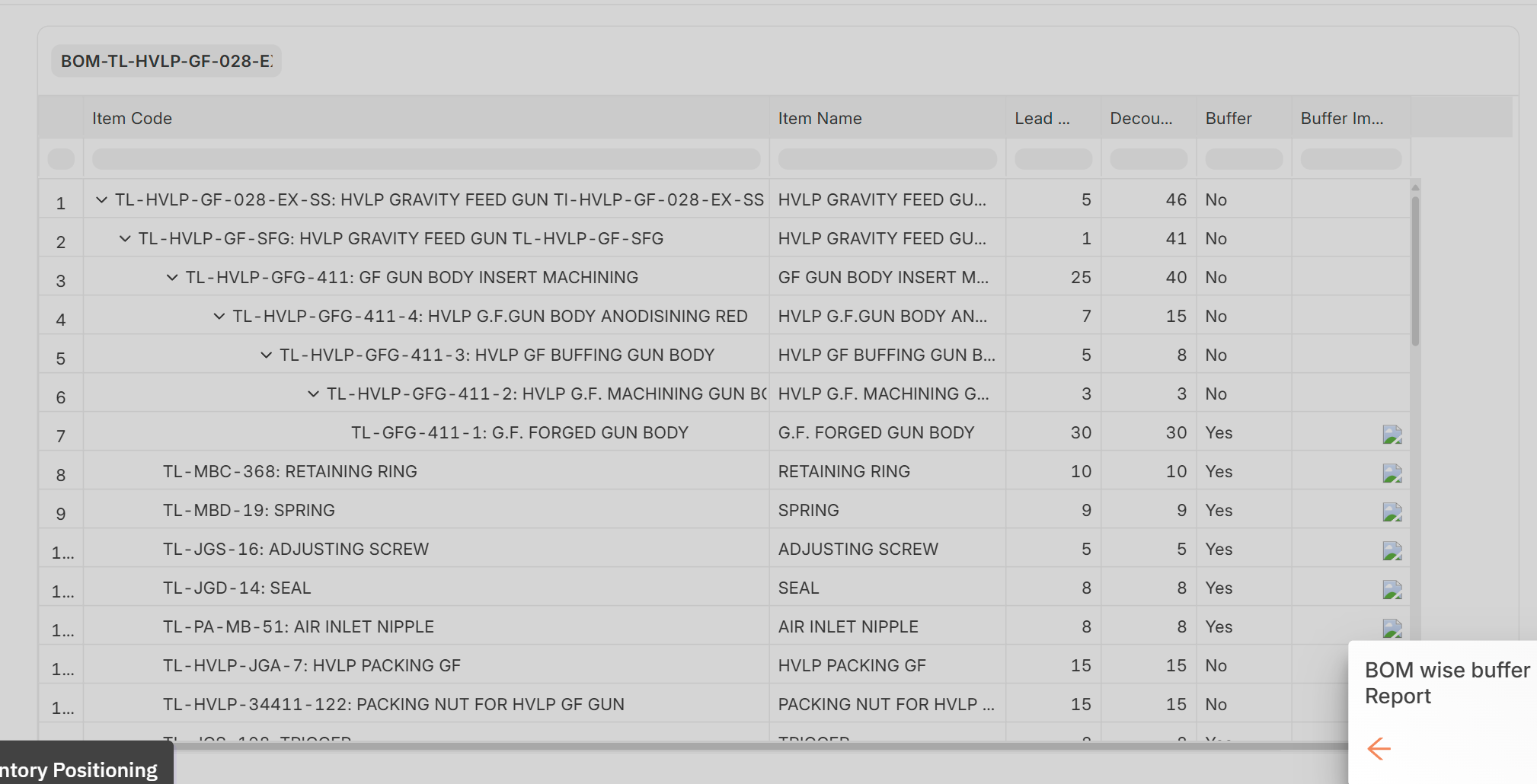
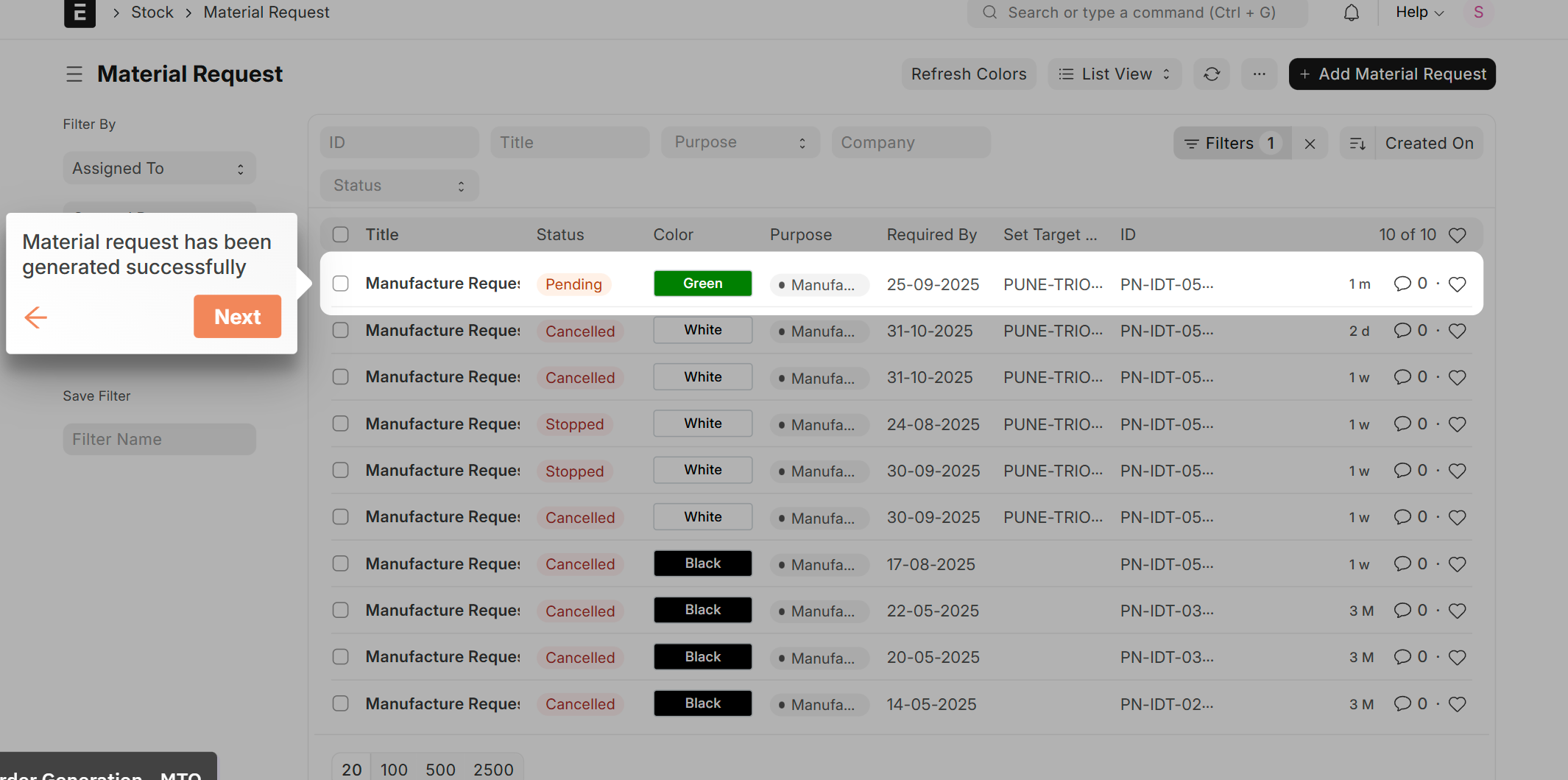
Buffer management with visual priority indicators (green, yellow, red)
Throughput accounting dashboard with T, I, and OE metrics
What-if analysis for capacity and constraint optimization
Full integration with ERPNext production plans and work orders
Where TOC Planning App Fits Best For Industry
The theory of constraints and production planning optimise manufacturing throughput. Manufacturers use this Theory of Constraints app to improve throughput, reduce WIP, and make production planning decisions around real bottlenecks.
manufacturing
Used across manufacturing sub-industries to run DBR scheduling, buffer management, bottleneck planning, and throughput improvement inside ERPNext.
TOC Scheduling & Buffer Management Dashboard
A synchronized production view showing constraints, buffers, and throughput (T, I, OE) metrics globally and per plant.






Frequently Asked Questions
Common questions about ERPNext integration, implementation timelines, and TOC certification.
No — it augments ERPNext's production planning. Standard work orders and production plans continue to function. TOC adds constraint-aware sequencing and buffer management on top.
It's especially powerful for complex job-shop environments where constraint identification is difficult and the constraint shifts frequently with product mix changes.
Most clients are live with active DBR scheduling within 6–8 weeks, including training and the initial constraint identification workshop.
We include TOC methodology coaching as part of implementation. Your team will understand the principles, not just the software buttons.
Yes — the system can model sub-constraints and show the cascading impact of resolving the primary constraint, which is essential for elevation planning.
Yes — the DBR algorithm is particularly effective in make-to-order environments where each order has a specific due date that must be protected.
Unlock hidden capacity in your manufacturing plant
Stop working against your constraints. Start exploiting them with native DBR scheduling built directly into your ERP workflow.
Looking for Brilliance?