



Success Stories
Success Story 1
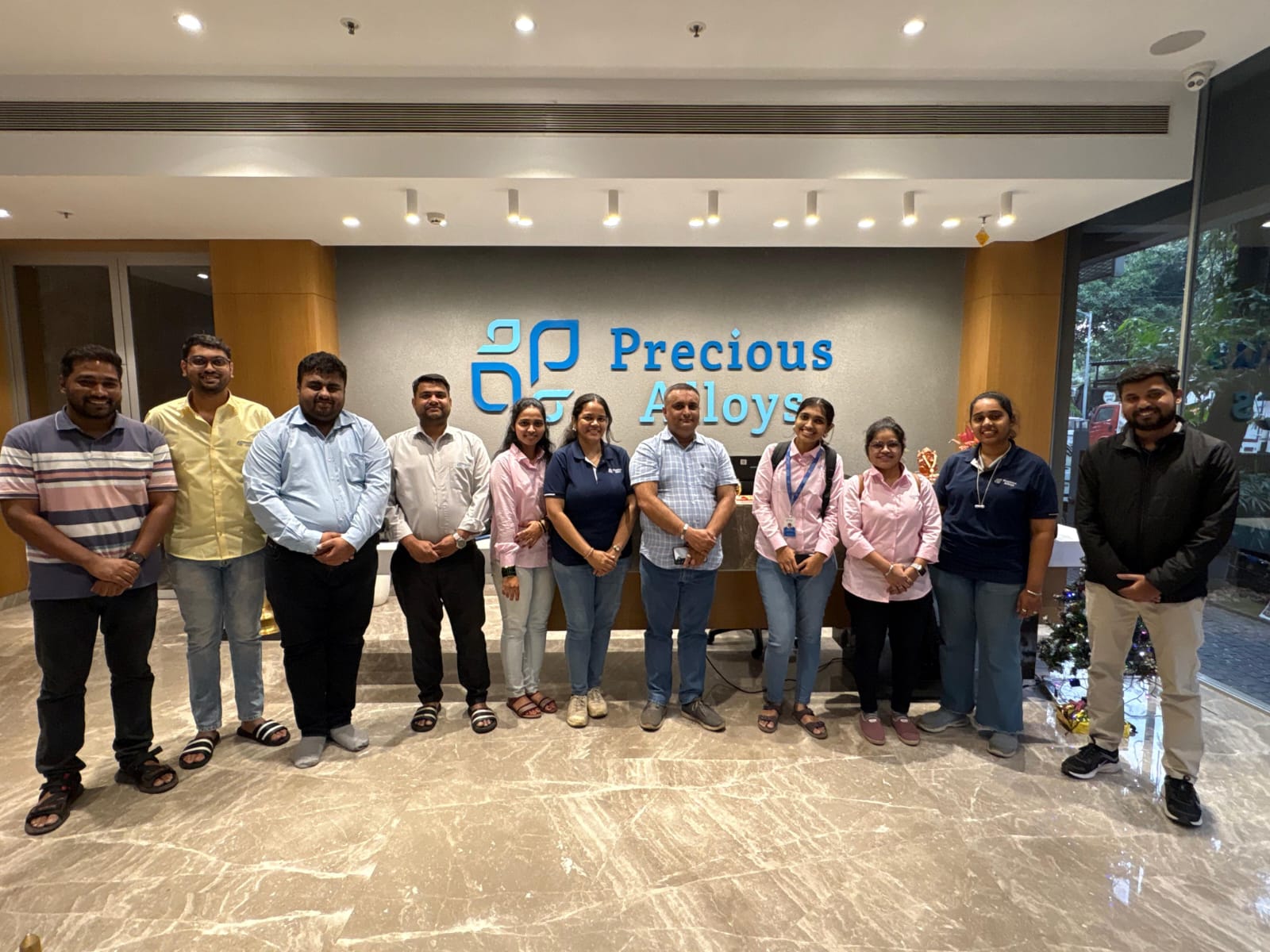
Client Name: Precious Alloys
Industry: Jewellery Alloy Manufacturing
Challenge/Problem
- The specific requirements of the metals business, such as live metal rates, tray-level inventory, job work accounting, and currency-based client segmentation, did not align with SAP's standard procedures.
- Customisation was difficult, as adding a simple custom field or creating a new print format required consultants and significant costs.
- They operated several systems but SAP couldn't bring them together under one unified system, making consolidated reporting and management a nightmare.
- Sales teams used live metal rates to calculate prices in Excel, which they then entered into SAP. It was frustrating, time-consuming, and prone to mistakes.
- Due to a lack of mobile applications, their HR and sales team were stuck at desks.
- Every time a new user was added, licensing costs went up, making it expensive to scale.
- They needed to track inventory down to the tray level across multiple branches, but SAP only supported warehouse-level tracking, which made accurate stock control very difficult.
Solution Implemented
| # | Solution |
|---|---|
| 1 | A custom pricing module was built that auto-fetches live metal rates and calculates sales prices instantly. |
| 2 | Custom workflows now handle labour charges, approval routing for loss-making quotations, and job work accounting that doesn't hit their books incorrectly. |
| 3 | Using API-based rate fetching with schedulers, an automated currency exchange list was implemented in ERPNext with spread-based rate calculation for EUR-INR and USD-INR and vice versa. |
| 4 | Customers and suppliers auto-filter based on currency and branch, dramatically reducing manual selection errors. |
| 5 | Smart controls and approvals provide real-time credit visibility, strict user permissions, and automatic invoice naming based on their conventions. |
| 6 | Powerful custom reports were delivered, including COGS, batch-wise profit, metal variance, MSME compliance, forex, currency-based tracking, and detailed MRP reports. |
| 7 | Inventory dimensions were implemented at tray level so items are properly divided by branch and tray. |
| 8 | Reliable mobile apps let the sales team work from anywhere and employees manage attendance, leave, and expenses on the go. |
Results/Outcomes
| # | Result |
|---|---|
| 1 | Manual work disappeared, including Excel calculations, manual data entries, and licence limitations that held back growth. |
| 2 | Product adoption improved because the system fits how teams actually work, including successful CRM and HRMS rollout. |
| 3 | The team can see profit by batch, track currency impact, handle multiple currencies, and keep job work accounting separate automatically. |
| 4 | Sales, manufacturing, accounts, and inventory teams now work in sync through unified operations and real-time visibility. |
| 5 | Their team can create reports, tweak formats, and adjust workflows without waiting on expensive consultants. |
Client Testimonial Quote
We successfully implemented ERPNext at PRECIOUS ALLOYS PVT. LTD. with the support of HYBROLABS PVT. LTD. The implementation covered key modules such as Accounts, Inventory, Manufacturing, Sales, Purchase etc.
The team demonstrated strong domain knowledge and a clear understanding of our business processes and provided timely support throughout the implementation. Data migration, user training, and post-go-live support were handled efficiently.
As a result, we have improved process visibility, reporting accuracy, and operational efficiency. We are satisfied with the ERPNext implementation and would confidently recommend HYBROLABS PVT. LTD. for ERPNext projects.
Success Story 2
The team demonstrated strong domain knowledge and a clear understanding of our business processes and provided timely support throughout the implementation. Data migration, user training, and post-go-live support were handled efficiently.
As a result, we have improved process visibility, reporting accuracy, and operational efficiency. We are satisfied with the ERPNext implementation and would confidently recommend HYBROLABS PVT. LTD. for ERPNext projects.
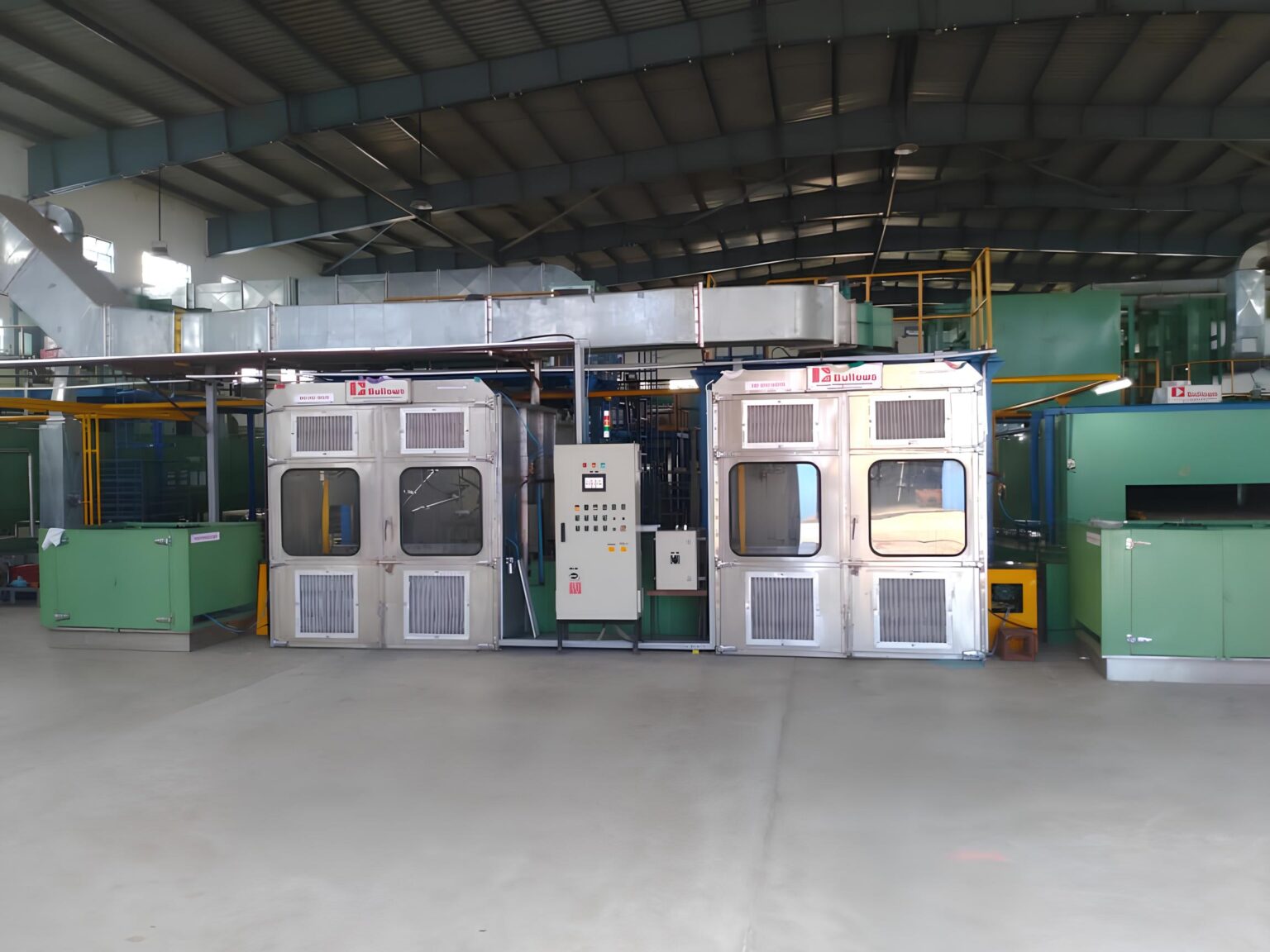
Client Name: Bullows Paint Equipment
Industry: Manufacturing
Challenge/Problem
- Unclear Project PrioritiesMultiple construction projects were being run in parallel without clear visibility into which ones were critical and which could flex. This led to poor prioritisation, missed deadlines, and little clarity on project profitability or the true status of active sites.
- Constant Resource CrunchThere was no structured way to assess how limited resources would impact delivery timelines. Teams were repeatedly pulled in different directions, creating ongoing resource conflicts without understanding the real cost or trade-offs of those decisions.
- Blind Production SchedulingStandard production practices ignored demand swings, buffer requirements, and realistic lead times. As a result, it was nearly impossible to predict when finished goods would be ready or identify which materials were genuinely constraining production.
- Overreliance on ExcelProject planning and MRP were heavily dependent on spreadsheets, which were time-consuming to maintain and often outdated by the time reports were completed. There was no single, integrated view of material status and no automated triggers for reordering.
- No Material VisibilityThere was little to no insight into what needed to be produced in advance, where true shortages existed, or where buffer stock was held. This led to production stoppages, last-minute purchasing, and frustrated customers waiting on delayed orders.
Solution Implemented
| # | Solution Area | Implementation Detail |
|---|---|---|
| 1 | Realistic Project Scheduling with Critical Path & Critical Chain | Implemented an advanced planning engine combining critical path and critical chain. Project-level buffers replaced task-level padding for more reliable schedules. |
| 2 | Clear, Visual Project Tracking | Rolled out Gantt charts highlighting critical and feeding paths, along with fever charts showing resource load across the critical chain. |
| 3 | Theory of Constraints-Driven Manufacturing Planning | Designed a TOC-based MRP system where demand is driven by actual customer orders, with buffer items pre-built and lead times based on real capability. |
| 4 | Smart Buffer Management | Set up automatic reorder triggers at item level using clear Green, Yellow, and Red zones. |
| 5 | Priority-Based Material Planning | Introduced "Required By" logic that explodes BOMs and sequences materials based on manufacturing priority. |
| 6 | End-to-End Visibility Through Reporting | Delivered 20+ custom reports covering MTO shortages, Sales Order and Work Order full-kit status, real-time material availability, and buffer health. |
Results/Outcomes
| # | Outcome | Impact |
|---|---|---|
| 1 | Predictable Project Delivery | Project timelines are now calculated using real task dependencies and resource availability. |
| 2 | Smarter Use of Resources | Leadership can see how assigning people or equipment to one project affects all others. |
| 3 | Clear Profitability While Projects Are Still Running | Project margins are visible in real time, factoring in actual costs, timelines, and resource usage. |
| 4 | Can Rely on Manufacturing | Production schedules are now built on real capacity and buffer logic. |
| 5 | Materials Managed Proactively, Not Reactively | Automatic buffer-based reordering ensures materials arrive when needed. |
| 6 | Smoother Production Flow | High-priority orders get the materials and attention they need first. |
| 7 | Goodbye to the Excel Chaos | Disconnected, error-prone spreadsheets were replaced with a single integrated system. |
| 8 | Decisions Backed by Facts | Real-time reports give management visibility into shortages, order readiness, material health, and buffer status. |
| 9 | Calmer, More Confident Teams | Teams now know what needs attention, what can wait, and what materials will be available. |
| 10 | Stronger Market Reputation | Accurate delivery commitments and consistent execution have strengthened customer trust. |
| 11 | Ready to Scale with Confidence | The company can take on more projects and higher volumes without a matching increase in planning effort or delivery risk. |
Client Testimonial Quote
When we started working with Yagna and Hybrow Labs, our Purchase and Production planning at Bullows Equipment was largely managed through Excel sheets. It worked for a while, but as we grew, it became increasingly difficult to track priorities, ensure timely material availability, and coordinate across departments.
Yagna's team introduced us to a Theory of Constraints (TOC)-based Material Planning Module, and the change has been remarkable. The system provides complete visibility into what to buy, what to produce, and what to prioritize all in real time. Our Purchase and Production teams now work in sync, with far fewer follow-ups and much greater clarity. The module is an integral part of ERP Next (our ERP system).
The implementation has replaced spreadsheets with a robust, system-driven approach that helps us manage flow across operations with ease. It's practical, effective, and has already made a measurable difference in how we plan and execute our work.
What we appreciate most about Yagna is their hands-on approach. They didn't just install TOC, ERPNext a system; they made sure it worked for our reality. Their deep understanding and commitment to results truly stand out.
We're happy to recommend Yagna and Hybrow Labs to any organization looking to bring focus, visibility, and flow to their material and production planning processes for results.
Success Story 3
Yagna's team introduced us to a Theory of Constraints (TOC)-based Material Planning Module, and the change has been remarkable. The system provides complete visibility into what to buy, what to produce, and what to prioritize all in real time. Our Purchase and Production teams now work in sync, with far fewer follow-ups and much greater clarity. The module is an integral part of ERP Next (our ERP system).
The implementation has replaced spreadsheets with a robust, system-driven approach that helps us manage flow across operations with ease. It's practical, effective, and has already made a measurable difference in how we plan and execute our work.
What we appreciate most about Yagna is their hands-on approach. They didn't just install TOC, ERPNext a system; they made sure it worked for our reality. Their deep understanding and commitment to results truly stand out.
We're happy to recommend Yagna and Hybrow Labs to any organization looking to bring focus, visibility, and flow to their material and production planning processes for results.
Client Name: Dawat-e-Hadiyah (dawatehadiyah.org)
Industry: Religious and Charitable Organization
Challenge/Problem
- Dual-Calendar Payroll with No AutomationDawat-e-Hadiyah operates on both the Hijri and Gregorian calendars. Managing payroll across these varying cycles was entirely manual, inconsistent, and error-prone.
- No Standardised Payroll FormatThere was no unified payroll format across branches.
- Complex Salary Calculation Logic (Wazifa)Salaries are referred to internally as "Wazifa" and were calculated based on the employee's year of graduation and pay grade.
- Every Non-Basic Change Required a New Salary StructureWhenever a convenience allowance or arrear changed, the team had to create an entirely new salary structure.
- No Automated Arrear ReversalsReductions or reversals had to be manually calculated and applied in subsequent payroll cycles.
- No Department-Wise or Consolidated ReportingThe legacy software provided no department-level breakdowns and no consolidated view across branches.
- Non-Standard Employee OnboardingStandard ERP onboarding workflows did not fit how the organisation brings in new employees.
- Disconnected Identity SystemsITS identity management was siloed from payroll and HR, causing duplicate data entry and errors.
Solution Implemented
| # | Solution Area | Implementation Detail |
|---|---|---|
| 1 | Hijri-Gregorian Calendar Mapping | The Hijri and Gregorian calendars were mapped within ERPNext, accounting for variable month lengths and annual drift. |
| 2 | Wazifa Calculator | A custom salary calculator was built within ERPNext to automatically compute each employee's Wazifa based on graduation year and pay grade. |
| 3 | Automatic Additional Salary for Non-Basic Changes | ERPNext now automatically generates an additional salary component for that payroll cycle. |
| 4 | Automatic Arrear Deduction in Next Payroll | The system automatically calculates and applies reversals in the next payroll processing cycle. |
| 5 | New Salary Structure Only on Basic Pay Change | A new salary structure is now triggered only when the basic pay component changes. |
| 6 | Email-Based Approval Workflow | Payroll changes are routed automatically to the payroll administrator via email for approval before processing. |
| 7 | Custom Onboarding: Initiate Onboarding Doctype | A custom ERPNext DocType was built to replace the standard job-applicant-based onboarding flow. |
| 8 | Gallabox Integration: WhatsApp Onboarding | ERPNext was integrated with Gallabox to send onboarding links directly via WhatsApp. |
| 9 | ITS Identity System Integration | ERPNext was integrated with the organisation's ITS system, syncing employee identity data automatically. |
| 10 | Department-Wise Payroll Reports | Custom reports now deliver a full department-wise payroll breakdown. |
| 11 | Salary Difference Monthly Report | A custom report tracks month-on-month changes in salary components for every employee. |
| 12 | Consolidated Multi-Branch View | Management can now view payroll data across all 20 branches in a single consolidated view. |
Results/Outcomes
| # | Result |
|---|---|
| 1 | Payroll across 20 branches, spanning two different calendars, is now processed with full automation and accuracy. |
| 2 | The Wazifa calculator has eliminated manual salary lookups entirely for 2,800+ employees. |
| 3 | HR no longer needs to create new salary structures for every allowance or arrear change; the system handles it automatically. |
| 4 | Arrear reversals that once required manual tracking and intervention are now system-driven. |
| 5 | Every payroll change goes through a documented, email-based approval process, giving leadership complete audit visibility. |
| 6 | Employee onboarding, previously paper-heavy and non-standardised, is now initiated digitally and delivered via WhatsApp. |
| 7 | Department-wise and consolidated reports have replaced the blind spots left by legacy software, empowering management to make data-driven decisions. |
| 8 | The ITS integration has eliminated identity data silos, reducing duplicate entry and human error. |